Mice and rats do not appear out of thin air. They follow scent trails, squeeze through gaps that look too small to matter, and build nests where warmth, food, and water line up. In homes and businesses across Florida, Texas, California, Louisiana, Georgia, Alabama, Mississippi, South Carolina, and North Carolina, I have watched rodents turn minor maintenance oversights into major infestations. The fix is not one thing. It is a sequence of decisions, executed in the right order, and maintained with discipline.
I learned that lesson during a winter service call in Charlotte, near the NASCAR Hall of Fame. A client had tried everything from peppermint oil to snap traps, yet the scratching persisted behind a living room wall. Thermal imaging showed a heat signature running along the sill plate. We pulled the baseboard, found a two-finger gap under the door jamb, and a nest made from attic insulation. The rodents did not care about scented oils, they cared about an open highway from the crawlspace to a bowl of dog food. Once we closed the highway and tightened sanitation, the noises stopped. That is how rodent extermination actually works.
Why mice and rats gain ground
Rodents adapt fast. They breed quickly, learn to avoid old traps, and exploit building quirks. In a San Francisco mixed-use building not far from the Golden Gate Bridge, a small restaurant kitchen shared a plumbing chase with upstairs apartments. Grease in the floor drains drew Norway rats from the alley, the rats followed pipes up through the chase, and droppings showed up under a tenant’s sink. The problem looked like one space, but it was a vertical system. Without coordinated action, each floor treated symptoms while the chase remained a thoroughfare.
In single-family neighborhoods, the dynamics shift. In Orlando, where daytime heat pushes rodents to cooler voids, I often find roof rats traveling aerial routes along utility lines, nesting in soffits, then dropping into pantry walls. In rural Alabama near the U.S. Space & Rocket Center’s supply corridor, mice shuttle from fields to garages as harvests end, then spread through insulation bays around recessed lights. Season, structure, and surroundings make as much difference as the species involved.
What a thorough rodent service really includes
Rodent Extermination Services done right looks nothing like a single visit with a bucket of bait. The best results come from a sequence that starts with inspection, continues with physical exclusion, and layers in removal, sanitation, and monitoring. A residential pest control plan and a commercial pest management plan share these elements, but the pressure, regulations, and access points differ.
Start with a map. You want to know where rodents travel, nest, and feed. I draw their triangle. For a ranch home outside Savannah, the triangle ran from a crawlspace vent with a missing screen, to a utility room behind the laundry, to a bird feeder that rained seed on the back step. For a warehouse off the Houston Ship Channel, the triangle stretched from a rail spur to a loading dock to an interior break area where snack machines spilled crumbs.
Next, shut the doors, and I mean the doors you do not notice. A gap under a garage door that takes two stacked quarters to close is big enough for a mouse. A palm-sized hole around a conduit gives a rat a freeway. Professionals use the right materials for the right gaps. Copper mesh that rodents cannot chew, galvanized hardware cloth at 16 or 19 gauge that keeps its shape, gnaw-resistant sealants with stainless fibers, and concrete patches where burrows meet slab edges. Spray foam alone, even the “pest resistant” kind, will not hold against determined teeth. It can be part of a system, not the system itself.
Then focus on removal with traps, not poison, inside occupied structures. Traps give evidence. You learn what comes in, when it travels, and where it dies. Baits are powerful tools in exterior stations around commercial sites with constant pressure, like strip malls near busy interstates, but they must be contained, locked, and documented. A good service balances ethical treatment, public health, and real-world logistics.
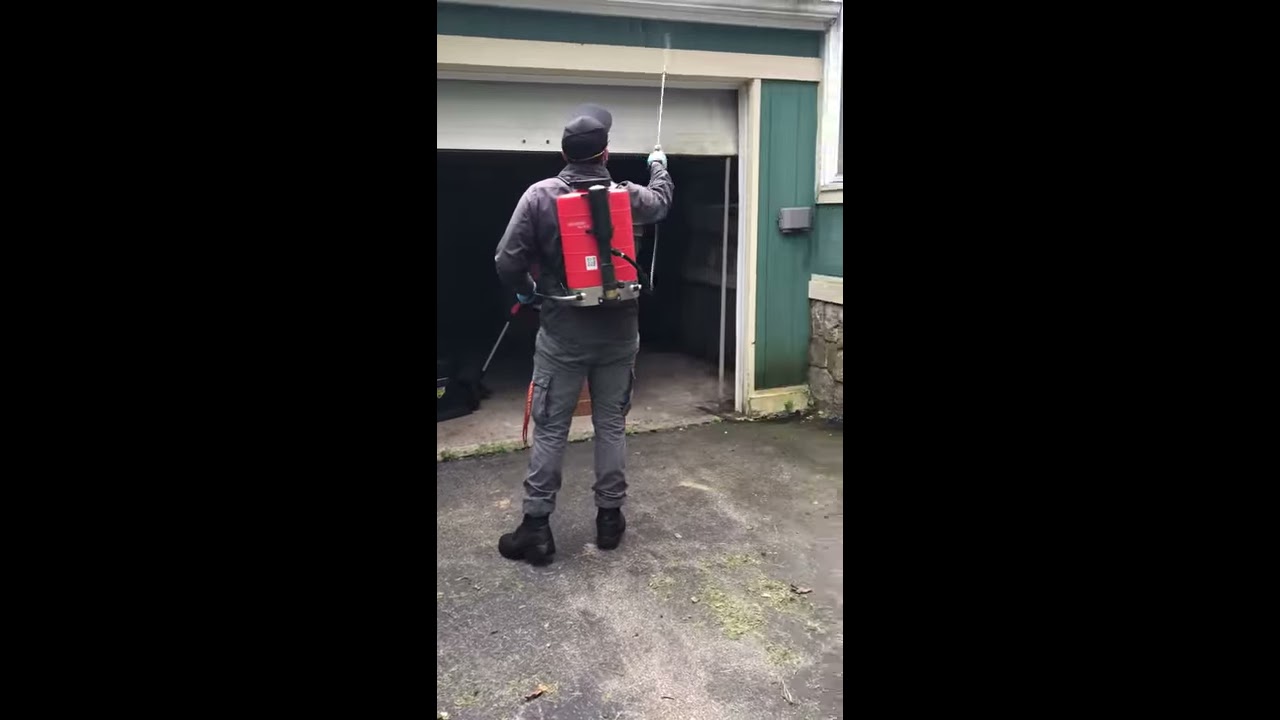
Sanitation seals the gains. Put bluntly, if you feed rodents, they will return. I once cut a rodent population in half inside a week at a Baton Rouge facility near the Mississippi River, only to watch numbers spike again after a vendor left pallets of birdseed near a back door. Food and water attract, clutter shelters, and tall grass hides travel paths. When you remove those features, rodent math changes.
Monitoring keeps small issues small. Mechanical monitors, non-toxic tracking blocks, and infrared scouting in attics or drop ceilings tell you what happens after you leave. A steady commercial account in the Research Triangle near Raleigh stays rodent-free not because we never see activity, but because we see it in week one, not month six.
Pest Control Services — NAP and reach
Pest Control Services
Phone (888) 265-9332We serve homeowners and businesses across Florida, Texas, California, Louisiana, Georgia, Alabama, Mississippi, South Carolina, and North Carolina. From the Everglades and Walt Disney World corridors to the Alamo district in San Antonio, from Charleston’s Battery and Fort Sumter up through the Outer Banks, we design programs that match local building styles and pressure.
Signs you have rodents, and what they really mean
Chewed cereal boxes and late-night skitters get attention, but subtler signs often tell the story faster. Grease rubs along baseboards show travel lanes. Pepper-like droppings under the sink suggest recent feeding, especially if they shine. Gnawed corners on dog food bags say you are feeding right next to an entry point. In attics, acorn shells and shredded insulation tucked behind HVAC ducts betray roof rats.
One Atlanta property near Hartsfield-Jackson Airport produced a textbook case. The homeowner heard footsteps above a bedroom, then smelled a faint ammonia tang. We found a hole the size of a golf ball near a soffit return, dark smears on the fascia, and droppings on the attic walkway. That pattern almost always points to roof rats, not mice. Species matters. Roof rats move high, house mice stay low, and Norway rats burrow and build from the ground up. Get the species wrong and you set traps in the wrong place.
Residential Pest Control, from crawlspace to chimney cap
Most homes fall to rodents at three points: low vents and garage doors, penetrations at grade like hose bibs or AC lines, and roofline features like returns, ridge vents, and chimney crowns. Good Residential Pest Control addresses all three with an inspection that takes 60 to 120 minutes, depending on size and complexity. I bring a headlamp, moisture meter, mirror, inspection camera, and a carpenter’s eye.
In Birmingham, a brick home near a greenbelt had a perfect storm. The homeowner had sealed the obvious hole around a dryer vent, but overlooked a hairline gap at a weep hole that flared behind the facade. A mouse does not need more than a pencil’s width to start a push. Once inside the cavity, it traveled to a pantry wall and chewed through drywall from the backside. Weep hole covers with stainless screens stopped the bypass. Inside, we staged snap traps along runways behind the fridge and range. By the end of the week, activity dropped to zero, and it stayed that way because we also reset habits. Pet food went into sealed bins, and seed feeders moved 15 feet away from the back patio.
Commercial Pest Management, when the stakes multiply
Commercial Pest Management calls for precision and paperwork. Health codes, audits, and brand protection change the playbook. In a coastal Mississippi grocery on the Gulfport strip, delivery schedules created spikes in backroom activity. Pallets arrived at 5 a.m., night crews broke them down, and doors stood open longer than planned. We redesigned the dock routine with air curtains, a staggered staging plan, and exterior bait stations placed at measured intervals that met state regulations. Inside, we used multi-catch traps under gondola end caps and added non-toxic monitoring blocks in the bakery. The logbook tracked placements, captures, and corrective actions. That is what auditors want to see, and it is also what delivers results that last.
At a tech campus in Silicon Valley, the problem was not a loading dock but landscaping. Vine-heavy planters right against glass walls gave rodents a sheltered corridor. We coordinated with facility management to create a vegetation-free strip, then installed perimeter stations out past the dripline. When landscapers pruned the ivy and raised the canopy, daytime sightings at the cafe patio stopped.
How professionals choose between traps, bait, and exclusion
All three have a place, but the sequence is not negotiable. Exclusion first, then trapping inside, bait only where safe and justified. A trap-only approach can miss the point if holes stay open. A bait-heavy approach inside living spaces invites risk and can create dead animals in walls. I see better outcomes when clients understand the tradeoffs.
- Use traps inside when you need proof of removal, quick results, and control over where bodies end up. Snap traps near fresh rub marks or droppings outperform random placements. Remote-notification traps in commercial accounts reduce labor without losing data. Use exterior bait stations at commercial sites with heavy pressure, spaced and secured to meet label and local laws. In residential yards, reserve baits for fence lines or outbuildings, never where children or pets might access them. Use exclusion every time, across vents, utility penetrations, door sweeps, roof returns, chimney caps, and foundation cracks. Without exclusion, you are baling water without patching the hull.
Hygiene and storage, the two habits that make or break a plan
Rodents come for calories and cover. Lower one or both and they look for easier pickings. In homes, that means sealed bins for pet food, a sweeping routine in the kitchen and garage, and a rule that no snacks live in bedrooms or desks. In restaurants, it means daily drain maintenance, dry good audits, and a nightly walk to clear floor-level shelves. Break rooms in offices trip up more facilities than kitchens do. Open candy bowls and overfilled trash cans create micro-attractants that never make it into a sanitation plan.

At a Columbia, South Carolina office near the State House, the fix was as simple as lidded containers for coffee supplies, a mid-afternoon trash run, and a policy that staff eat in designated areas. We backed that with mechanical traps under cabinetry and a quarterly exterior inspection. The count dropped to zero captures after the second month and has stayed there for two years.
Climate and building quirks across nine states
Service methods shift by region. In humid coastal Florida around the Everglades, soffit screening matters because roof rats squeeze through warped vinyl after afternoon storms. In the dry heat of inland California, slab gaps widen as soils shrink, so ground-level exclusion around AC lines and garage thresholds pays off. North Carolina’s mountain homes around Asheville and the Biltmore Estate tend to have complex roofs with intersecting valleys that hide entry points. Gulf states like Louisiana and Mississippi wrestle with elevated homes on piers, which send us to the crawlspace with bright lights and knee pads.
Texas brings scale, both in structures and in supply chains. At a San Antonio distribution hub not far from the Alamo, perimeter control had to cover a long fence line and a rail spur. We set stations at calculated intervals, tied them into a digital mapping tool, and trained dock teams to spot rub marks and gnaw points. Georgia’s historic districts, especially near Savannah’s squares, require gentle touch, where concealed screens and mortar repairs preserve aesthetics while closing doors to pests.
Safety, pets, and children
Parents and pet owners deserve straight answers. Properly placed snap traps behind appliances or inside locked covers pose little risk. Glue boards have their place in diagnostics, but I limit them to commercial accounts and never where pets or kids can encounter them. Rodenticides carry strict label directions for a reason. We use them outdoors, in tamper-resistant stations, and only when the site and pressure justify it. If a provider proposes loose bait blocks in a basement, find another provider. Monitoring and exclusion serve families better than shortcuts.
Costs, value, and timelines
Affordable Pest Solutions does not mean bargain-bin bait tossed in corners. It means correctly scoping a job so you pay for fixes that stick. For a typical single-family home with light to moderate mouse activity, plan for an initial service with inspection and exclusion that might run a few hundred to a thousand dollars, depending on how many repairs a tech can complete on-site and how many require a return trip or a carpenter. Follow-up trapping visits often happen weekly for two to three weeks, then taper into monthly or quarterly monitoring as needed.
Commercial costs scale with size and risk. A convenience store near Fort Worth may only need monthly service with a modest exterior line. A food plant near the Charleston port might require weekly visits, station counts in the triple digits, and digital reporting tied to audit standards. Quality providers explain where your money goes and how each measure changes risk. Beware of one-price-fits-all plans. Rodent pressure does not come in one size.
What to do before the technician arrives
A little preparation can turn a first visit into a jump-start. These steps apply whether you are in a Los Angeles bungalow not far from Griffith Park or a Raleigh townhouse near a greenway.
- Clear access to attics, crawlspaces, and utility rooms, and move storage 12 to 18 inches off walls where practical. Seal open food in kitchens and pantries into hard containers, and empty under-sink trash before service. Note where and when you hear noises, and where you have seen droppings or gnaw marks. Keep pets secured, and share any known sensitivities or allergies with the technician. Avoid DIY repellents right before the visit, which can mask scent trails the tech uses to map runways.
Why “Pest Control Near Me” is only the start of the search
Typing Pest Control Near Me pulls up a list, but not a fit. Local Exterminators bring speed, yet you still want proof that the team understands your building type, the rodents in your area, and the compliance framework you live in. Ask about their approach to exclusion, how they document placements, and how they decide when to use rodenticides. If they also provide Insect Control Services, Termite Control Solutions, and Pest Control for Bed Bugs, confirm they staff specialists for each. A generalist can identify crossover issues, like ants transporting bait or termites compromising a sill plate, but rodent work benefits from techs who build and repair as well as trap.
Case notes from the field
At a hillside home in Los Angeles above the Hollywood Bowl, roof rats chewed through a makeshift screen at a gable vent, then settled around ductwork. The attic’s duct insulation became a nesting factory. We replaced the vent with a louvered metal assembly, added hardware cloth on the interior face, and hung traps on trusses along the runway. The homeowner wanted fast action, so we returned every 48 hours for a week, then weekly for a month. Activity ceased after day six, but we kept monitors in place for eight weeks in case juveniles emerged late.
https://travisgxpi658.tearosediner.net/commercial-pest-management-strategies-to-keep-your-business-pest-freeIn New Orleans, a French Quarter cafe with a brick courtyard and romantic lighting also had a drain fly and rodent problem fed by soft mortar and grease in a floor drain. After hours, we scrubbed lines, installed basket strainers, sealed a baseboard gap with a wood patch and sealant reinforced with mesh, and set low-profile mechanical traps where they would not trip patrons’ eyes. Staff learned a closing routine that included a hot water pour into floor drains. Sometimes the line between a charming old building and a pest hotel is a handful of small repairs performed with discipline.
On the Carolina coast near the Outer Banks, a vacation rental cycled guests every week and battled surprise infestations each spring. We established a preseason inspection and service window, sealed attic returns, screened soffit vents, and trained the property manager to chart any droppings or sightings during cleaning turnovers. The pattern broke after one season and has remained quiet with a simple quarterly plan.
Technology helps, but construction wins
Remote trap alerts and digital maps save steps and keep records steady across large portfolios. I use them in distribution centers in Dallas and in campus settings in Durham. Yet, I have never seen software out-muscle a half-inch hardware cloth fix at a soffit return. Construction quality, maintained, ends infestations. Technology shows you where to place that fix and when pressure changes.
When rodent issues signal larger building problems
Sometimes the mice tell you about moisture, foundation shifts, or HVAC imbalances. In Tallahassee, repeated sightings in a hall closet turned into a discovery of a rotten sill where a slow plumbing leak weakened the plate. In Mobile, Alabama, rats burrowing along a slab edge exposed a downspout that dumped against the foundation, eroding soil. Fix the building and you often fix the pest. That is why experienced providers carry moisture meters and know how to read a crack.
Integrating rodent service with broader pest programs
Rodent control rarely lives alone. If grain moths show up in a pantry, or if carpenter ants trail along a sill, the food web is telling you about storage or moisture. Full-service teams that handle Insect Control Services and Termite Control Solutions can connect those dots. A termite-damaged rim joist becomes an easy gnaw point. A roach-heavy kitchen usually means food and water sit where rodents can find them too. A coordinated program, whether residential or commercial, stops treating lines on a contract as separate silos and treats the building as a living system.
What success looks like over time
In my notes, success reads like this. Week one, inspection and exclusion close seven entry points, with documentation and photos. Traps set along runways. Week two, captures decline by 50 to 80 percent. We reset, adjust placements, and confirm no new droppings. Week three, traps go silent, monitors show no fresh gnaw marks, and sanitation routines take hold. By the end of month one, we move to monitoring and education. Quarterly checks validate the seal work, and any landscape changes get a once-over. That rhythm holds from Miami’s coastal neighborhoods to Sacramento’s suburbs, from Jackson, Mississippi to Greensboro, North Carolina.
Rodent Extermination Services are not a mystery, but they do demand patience, the right tools, and a willingness to look at a structure with a builder’s mind. Close the doors rodents use. Remove the rewards they seek. Monitor the quiet spaces. Whether you manage a cafe off Bourbon Street near the Mississippi River or a warehouse outside Savannah, a careful plan beats a scattered effort every time. And if you need help, experienced Local Exterminators who balance Residential Pest Control and Commercial Pest Management can deliver results that last, not just for one season, but for good.
Pest Control Services (888) 265-9332